
Metabolic & lipid panel
- HbA1c
- 5.4 %
- LDL-C
- 138 mg/dL ▲
- Fasting glucose
- 92 mg/dL
Healthcare intelligence for clinician review
Transforming fragmented clinical records and medical imaging into grounded, evidence-backed healthcare intelligence.
Supports clinical review - never replaces it.
Interactive demonstration
Follow four illustrative records as Rivah connects them into one grounded, reviewable answer.
Metabolic & lipid panel
Inpatient care note
Assessment: community-acquired bronchitis, resolving.
Follow-up: outpatient review in 14 days.
Medication schedule
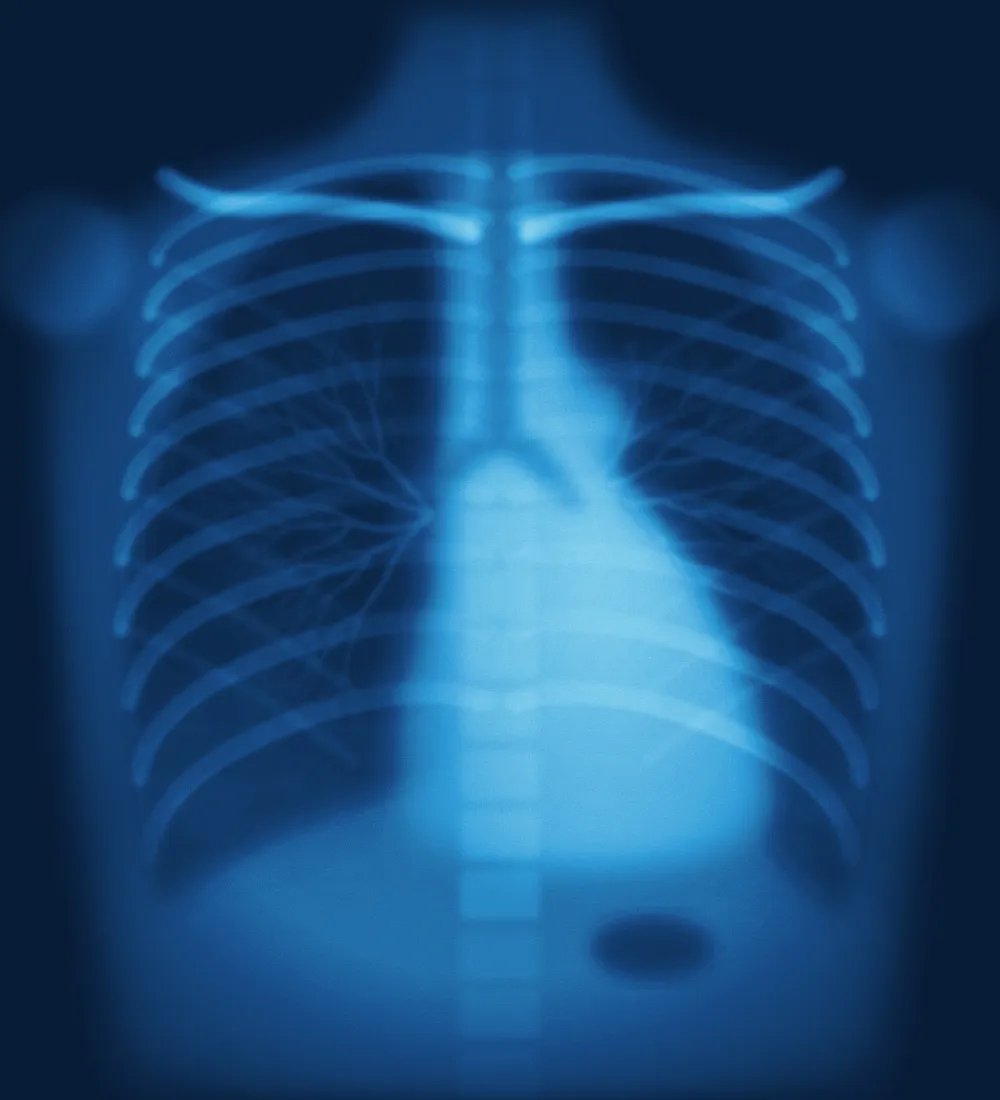
DICOM imaging study
Rivah reads the records together, connecting each finding to the context around it.
Grounded answer
Illustrative glycaemic control (HbA1c 5.4%) is within the reference interval, while LDL-C (138 mg/dL) is flagged above the reported target for professional review.[1]
| Test | Value | Unit | Ref. range | Status |
|---|---|---|---|---|
| HbA1c | 5.4 | % | 4.0 – 5.6 | In range |
| LDL-C | 138 | mg/dL | < 100 | Flagged |
| Fasting glucose | 92 | mg/dL | 70 – 99 | In range |
Evidence & uncertainty
2 / 3 supportedGlycaemic marker within reference interval
Supported · 2 sources
LDL-C above the reported target
Supported · 1 source
Prior lipid-lowering therapy
Insufficient evidence — review source
For clinician review - final interpretation rests with the care team.
The platform
Documents, laboratory results, imaging and history, read together and cited back to the source.
Explore the platformAsk across scanned and digital records. Every answer points to its source line.
Tests, values, units and ranges extracted, with abnormal and critical values flagged.
Trends · In development
Chest X-ray observations read alongside the written record.
Reports, admissions and medications in one cited timeline.
Safety & clinical governance
Every response is built to be checked. Hover or focus a principle to follow its path from source record to clinician.
Solutions
One grounded record, shaped to the way each team works.
All solutionsOne cited view for rounds, handovers and follow-ups.
Scanned reports become structured, flagged results.
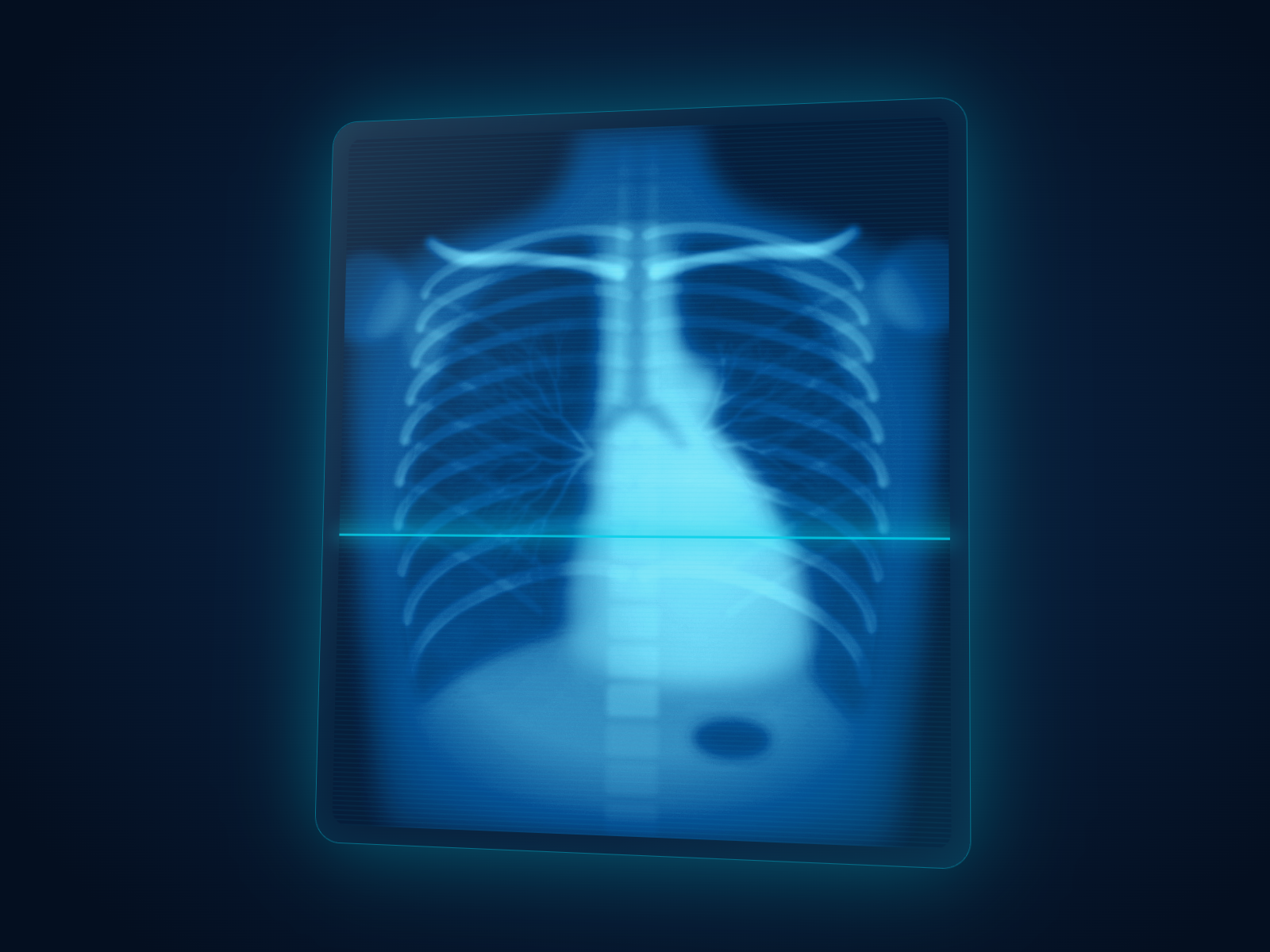
Imaging observations in their clinical context.
Clearer clinical information for care teams.
Connecting clinical records, medical imaging and meaningful insights through one grounded intelligence experience.