Skip to content
rivah.ai

Platform showcase · Illustrative clinical data

One Clinical Intelligence Layer.
Every Record in Context.

From scanned laboratory reports and prescriptions to discharge summaries and medical imaging, Rivah brings fragmented clinical information together into a connected clinical picture.

Reads the records care teams already have

  • Laboratory reports
  • Discharge summaries
  • Prescriptions
  • Scanned PDFs
  • Clinical notes
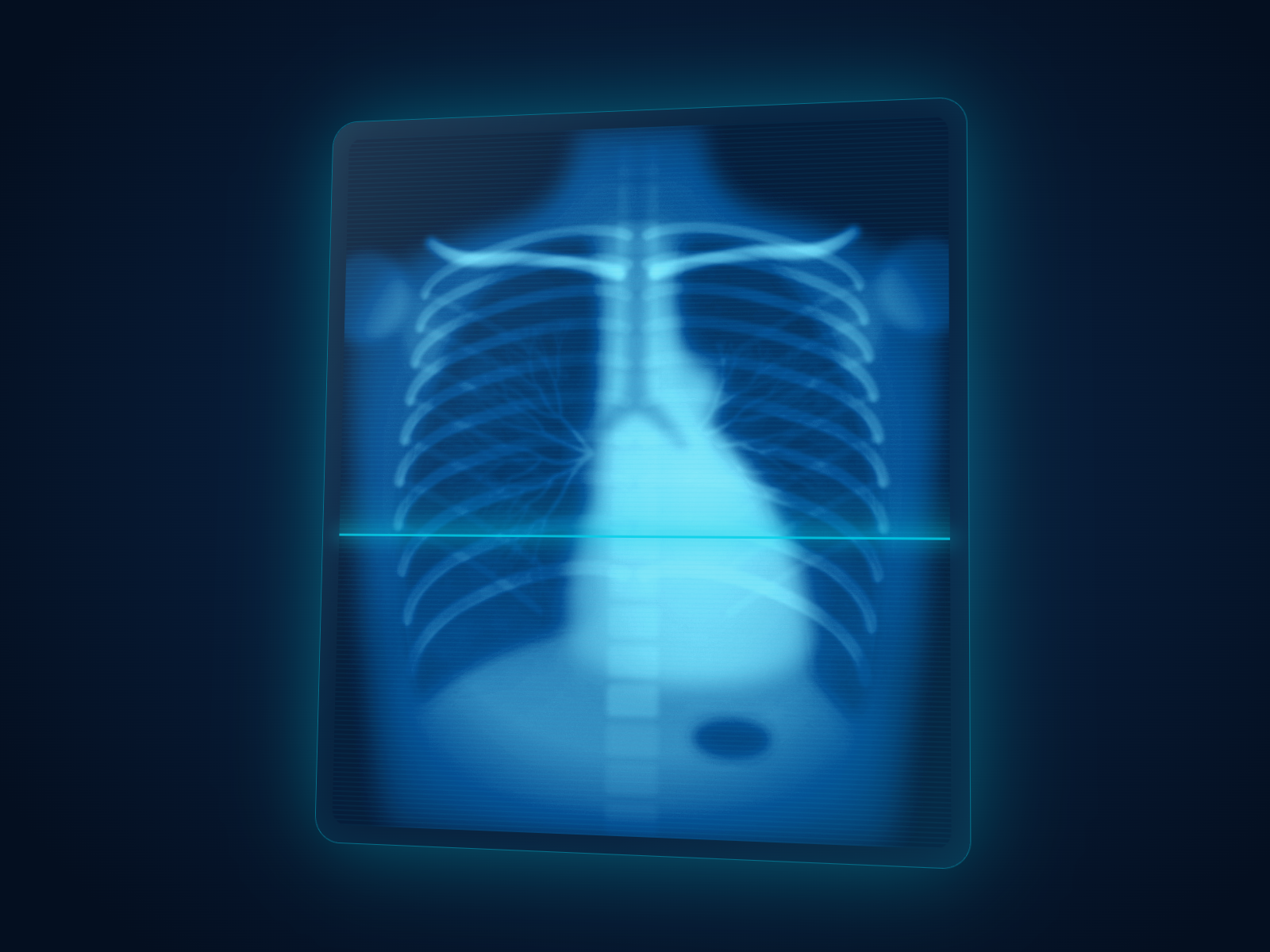
  • Chest X-ray (DICOM)· In development

How it works

From Record to Reviewable Answer.

Four steps, each one visible to the clinician who reviews the result.

  1. 01

    Read

    Scanned and digital documents, lab reports and prescriptions are taken in as they are.

  2. 02

    Structure

    Tests, values, units, ranges, medications and dates become a structured view.

  3. 03

    Connect

    Findings are linked across documents and dates, so every value is seen in context.

  4. 04

    Answer, for review

    Answers cite the exact source, and gaps in the evidence are stated plainly.

Product workbench

Four Capabilities. One Connected Record.

Capability A · Document Intelligence

Available

Clinical Document Intelligence

Clinical Documents

What was the primary assessment, and when is follow-up due?

The primary assessment was community-acquired bronchitis, resolving. An outpatient review is due 14 days after discharge, with a bronchodilator inhaler prescribed as needed.

Select a citation to see its source line

Scanned discharge & Rx packet

  1. 11 SOURCE #1 · DISCHARGE SUMMARY
  2. 12 Primary assessment: community-acquired bronchitis, resolving.
  3. 13 Observations stable on day of discharge.
  4. 21 SOURCE #2 · PRESCRIPTION
  5. 22 Bronchodilator inhaler PRN; 14-day outpatient review.
  6. 23 Continue current lipid therapy.

  • Understand scanned and digital medical documents.
  • Extract structured information from laboratory reports, prescriptions and discharge summaries.
  • Answer questions across multiple medical documents, with citations linked to the original source.
Capability B · Laboratory Intelligence

Available · parts in development

Laboratory Intelligence

Laboratory Intelligence
Extracted laboratory values (illustrative)
TestValueUnitReferenceStatus
Potassium6.1mmol/L3.5 – 5.1Critical
LDL-C138mg/dL< 100Flagged
HbA1c5.4%4.0 – 5.6In range
Haemoglobin13.8g/dL13.0 – 17.0In range
eGFR84mL/min/1.73m²> 60In range

LDL-C · compared with prior results

In development
Mar
151
Jun
144
Oct
138
  • Extract test names, measured values, units and reference ranges.
  • Highlight abnormal and critical values for review.
  • Compare results against previous measurements and surface trends. In development

Capability C · Multimodal Intelligence

In development

Multimodal Medical Intelligence

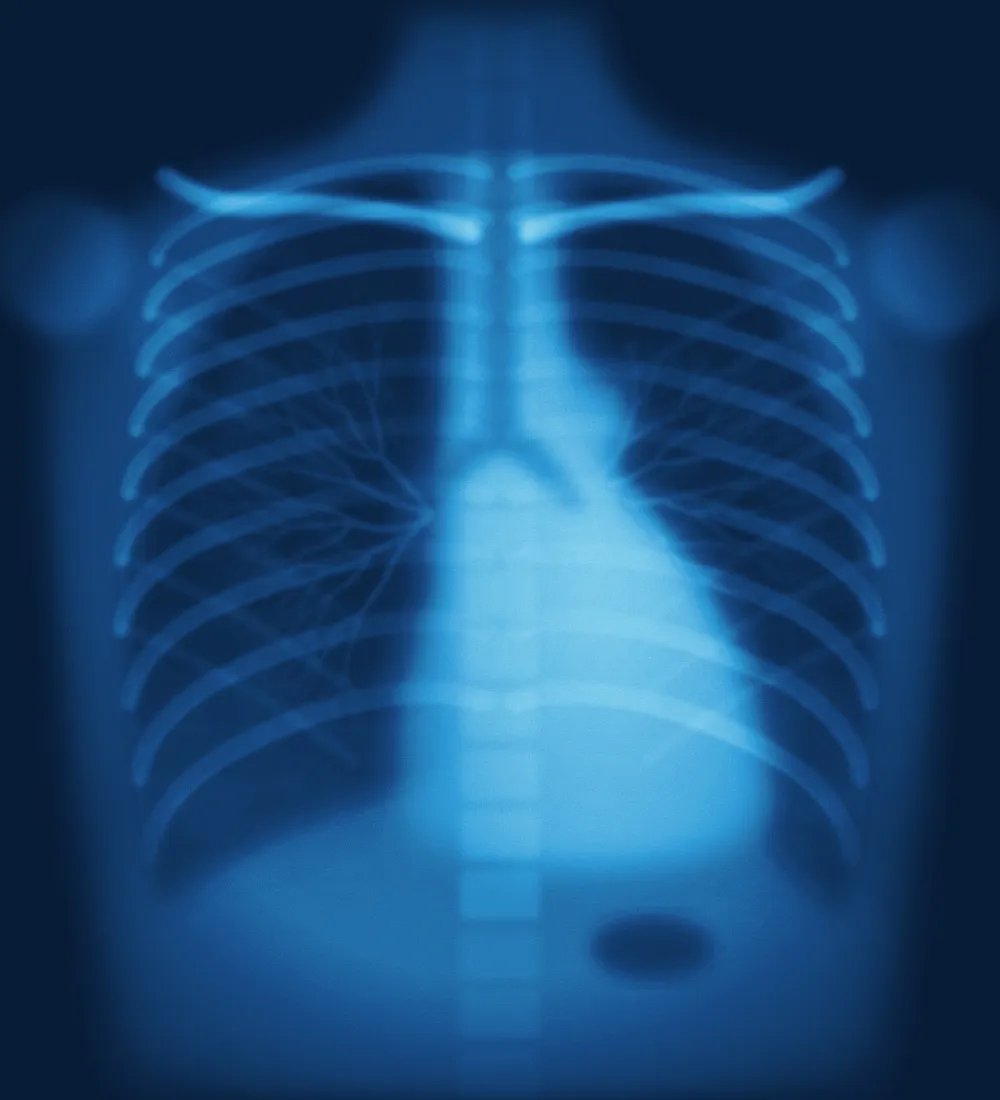
Multimodal Imaging
Preview of a capability in development - not available today.

Region A · right lower zone

Confidence: Moderate

Region-level observation, for radiologist review.

Region B · left upper zone

Confidence: Low

Region-level observation, for radiologist review.

Linked context: discharge summary notes resolving bronchitis (p.2).

  • Read medical text alongside imaging information, starting with chest X-ray (DICOM). In development
  • Present region-level observations with confidence information. In development
  • Connect imaging observations with relevant clinical context. In development

Capability D · Clinical History

Available · parts in development

Clinical History Intelligence

Clinical History
  1. 12 Mar 2025

    Laboratory panel

    LDL-C 151 mg/dL

  2. 04 Jun 2025

    Discharge summary

    Community-acquired bronchitis, resolving

  3. 04 Jun 2025

    Prescription

    Atorvastatin 20 mg started

  4. 18 Oct 2025

    Laboratory panel

    LDL-C 138 mg/dL

History summary

Hospital admission in June 2025 for community-acquired bronchitis, resolving at discharge[2]. Atorvastatin 20 mg started the same day[3]. LDL-C recorded at 151 mg/dL in March[1] and 138 mg/dL in October[4].

  • [1] Lab report A · p.1
  • [2] Discharge · p.2
  • [3] Rx · line 4
  • [4] Lab report B · p.1
  • Summarise longitudinal medical histories across multiple reports and dates.
  • Surface relevant medication history in one connected timeline.
  • Identify changes in laboratory trends over time. In development

Designed for review

Built for Review, Not for Guesswork.

Every answer cites its source

Each supported statement links to the document, page and line it came from, one click away.

Abnormal and critical values, flagged

Out-of-range results stand out, with the reference range beside them.

Gaps stated plainly

When the record can't support an answer, Rivah says so instead of guessing.

History across dates, in one view

Admissions, results and medications line up on a single cited timeline.

In development

Imaging in context

Chest X-ray observations read alongside the written record, for radiologist review.

The clinician keeps final authority

Rivah supports review. Interpretation, diagnosis and care decisions stay with the care team.

How we ground answers

Experience a New Era of Healthcare Intelligence.

Connecting clinical records, medical imaging and meaningful insights through one grounded intelligence experience.